In this article
If you ask five companies what a website costs, you might get five very different answers. That isn't because anyone is hiding something. It's because "a website" can mean very different things.
This guide explains what really changes the price, so you can plan a budget with confidence.
What changes the price of a website?
1. The number of pages
A simple site with a home page, an about page, a services page and a contact page takes much less time than a site with fifty pages. More pages mean more design, more content and more testing.
2. Design: template or custom?
- Template-based design is faster and cheaper. It works well for many small businesses.
- Custom design is made just for you. It costs more, but it helps you stand out and match your brand exactly.
3. Features
Every extra feature adds time. Common examples:
- Contact and quote forms
- Online booking
- A blog you can update yourself
- An online store with payments
- A members-only area
4. Content
Who writes the text and who provides the photos? If you already have good content, the project is faster. If you need help writing it, plan for that in your budget.
5. Hosting and maintenance
A website needs a place to live (hosting), a domain name, and an SSL certificate for security. It also needs small updates over time. These are usually monthly or yearly costs.
How to keep the cost down (without cutting corners)
The cheapest website is not the one with the lowest price. It's the one that does its job without needing to be rebuilt next year.
Here are a few smart ways to save:
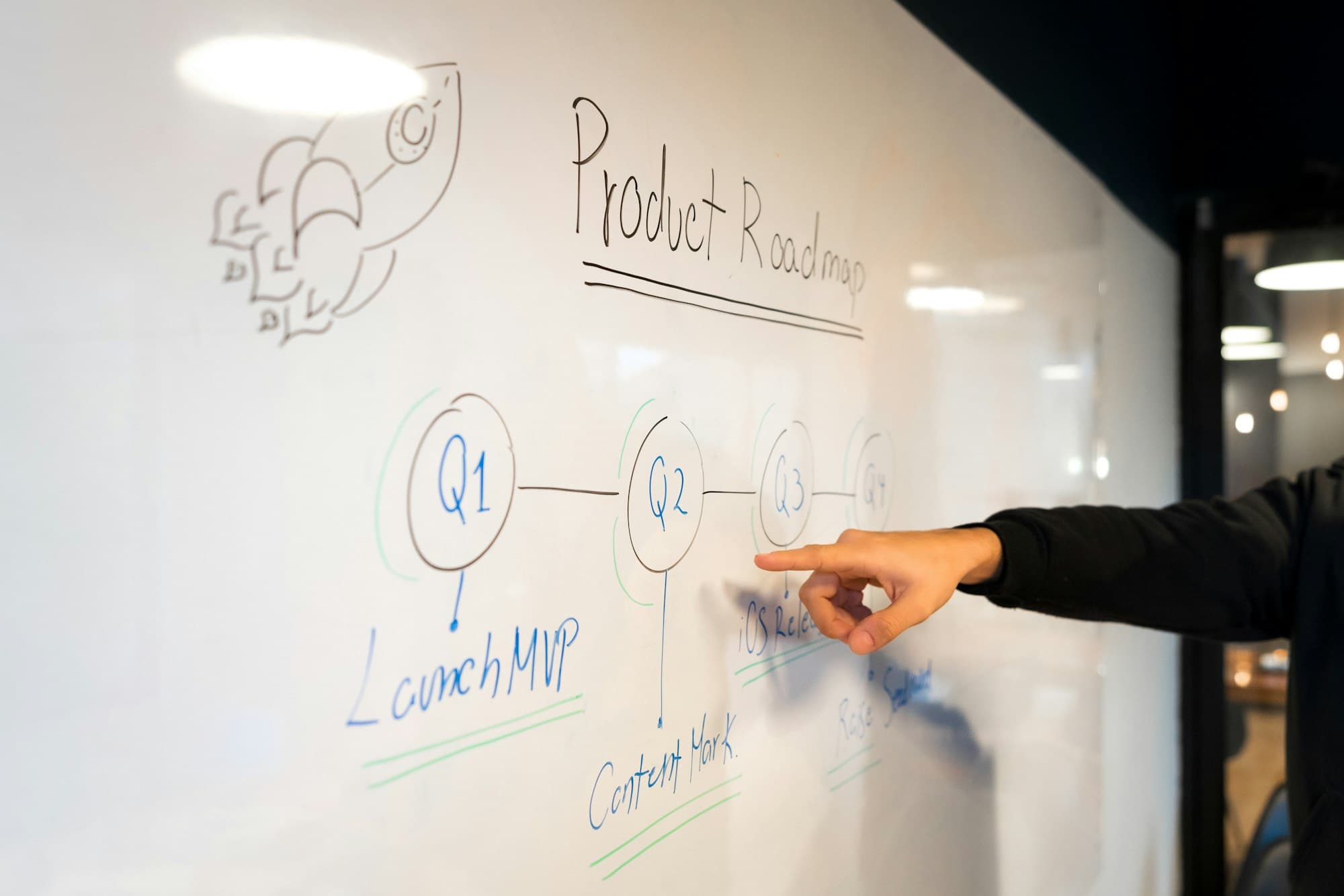
- Start with the essentials. Launch with the pages you really need, and add more later.
- Prepare your content early. Having your text and photos ready saves a lot of back and forth.
- Choose features in phases. Maybe you don't need online booking on day one.
- Pick sensible hosting. Many small business sites run perfectly on affordable hosting.
What you should never skip
Some things are worth paying for, even on a small budget:
- A mobile-friendly design. Most visitors will see your site on a phone.
- Fast loading. Slow sites lose visitors and rank lower on Google.
- SSL (HTTPS). It protects your visitors and builds trust.
- Basic SEO. Page titles, descriptions and a clean structure help people find you.
Questions to ask before you hire someone
- Will I be able to update the website myself?
- Who owns the website and the content when the project is finished?
- What is included in the price, and what costs extra?
- What happens if I need help after launch?
The bottom line
A good website doesn't have to be expensive. Be clear about what you need today, choose a team that explains things plainly, and plan to grow the site step by step.
If you'd like a clear, honest quote for your website, get in touch. We're happy to help you find the right starting point for your budget.
Written by
Alex Morgan
Founder & Lead Developer
Alex plans projects with clients and leads development. Believes the best software is the simplest one that solves the problem.