In this article
You don't need a huge budget to build something useful. What you need is a clear plan. Here's a simple, step-by-step way to plan a website or software project when every dollar counts.
Step 1: Start with the problem, not the features
Before you think about pages or buttons, answer this: what problem are you solving, and for whom?
A clear answer helps you say "no" to features that don't help — and that's where most savings come from.
Step 2: Set a realistic budget range
You don't need an exact number, but a range helps a lot. It lets your tech partner suggest what's possible instead of guessing.
Sharing your budget isn't a disadvantage. It's the fastest way to get honest, useful advice.
Step 3: Split your ideas into "now" and "later"
Make two lists:
- Now: the features you need to launch and solve the main problem.
- Later: everything that would be nice to have.
Build the "now" list first. The "later" list can wait until you have users, feedback or more budget.
Step 4: Reuse what already exists
You don't have to build everything from scratch. Proven tools can handle many common needs:
- Payments (Stripe, PayPal and others)
- Email delivery
- Maps and location
- Analytics
Using them saves time and money, and they're usually more reliable too.
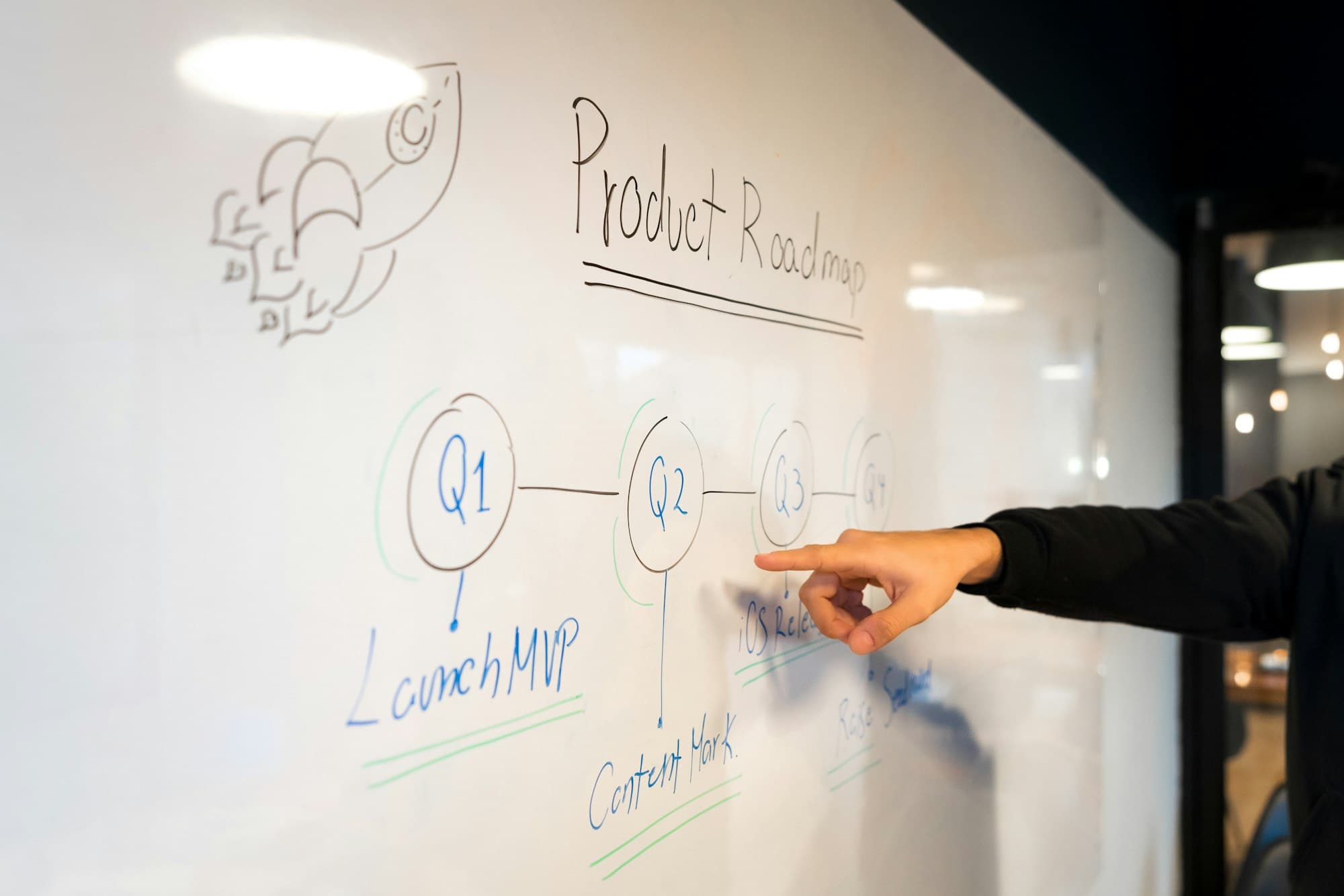
Step 5: Plan in phases
Instead of one big project, plan a few small ones:
- Phase 1: a working first version.
- Phase 2: improvements based on real feedback.
- Phase 3: new features that help you grow.
Each phase has its own clear scope and cost, so you stay in control.
Step 6: Don't forget the running costs
Budget for the things that come after launch:
- Hosting and domain
- Maintenance and security updates
- Small improvements and fixes
These costs are usually small, but they keep your project healthy.
Step 7: Choose a partner who explains things clearly
A good tech partner will ask about your goals, explain options in plain language, and tell you when something isn't worth the money.
Final thoughts
Great results on a small budget come from focus: solve one problem well, launch, learn, and grow step by step.
Ready to plan your project? Book a free consultation and we'll help you make the most of your budget.
Written by
Sam Rivera
Product & Design Lead
Sam turns ideas into clear, friendly designs and makes sure every screen is easy to use — on any device.